This option is intended for users who are unable to complete the body composition scan through the SiPhox Health app. Before proceeding, please note that if you have completed a DEXA scan or another body composition assessment within the last 8 weeks, you may prefer to submit those results instead. You can share this information directly in the questionnaire, where you will have the opportunity to indicate that you have recent body composition results available.
If you do not have a recent DEXA or other body composition scan, or if you are unable to access those results, you may continue with this alternative option.
Accurate and standardized measurements are essential. Even small differences in technique can lead to large variations in results, so please follow the instructions carefully.
What You Need
- A soft, flexible measuring tape (tailor’s tape)
- A mirror (optional but helpful)
- Light, fitted clothing or minimal clothing
- A relaxed standing posture
Required Measurements
Participants should provide:
- Height
- Weight
- Neck circumference
- Chest circumference
- Waist circumference
- Hip circumference
Each measurement should be taken twice, and the average recorded.
1. Height
How to measure:
- Stand barefoot on a flat surface (no shoes)
- Stand straight with heels together
- Keep head level (looking forward, not up or down)
- Measure from the floor to the top of the head
Tips:
- Stand against a wall for accuracy
- Ensure heels, back, and head are aligned if possible
2. Weight
How to measure:
- Use a digital scale on a hard, flat surface (not carpet)
- Weigh yourself without shoes
- Preferably measure in the morning before eating
Tips:
- Avoid holding objects while weighing
- Try to measure at a consistent time of day
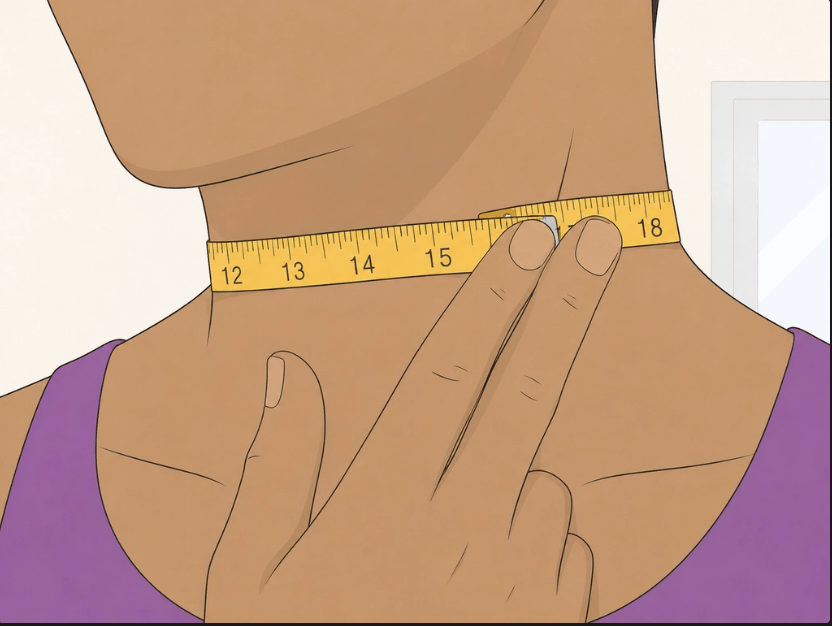
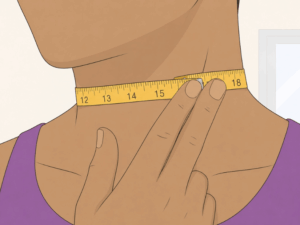
3. Neck Circumference
Neck circumference helps estimate upper-body fat distribution and is a useful indicator in overall body composition profiling.
How to measure:
- Stand upright with shoulders relaxed
- Place the tape just below the Adam’s apple (or midpoint of the neck)
- Wrap the tape around the neck horizontally
- Ensure it is snug but not compressing the skin
Key tips:
- Do not tilt your head up or down
- Keep shoulders relaxed, not raised
4. Chest Circumference
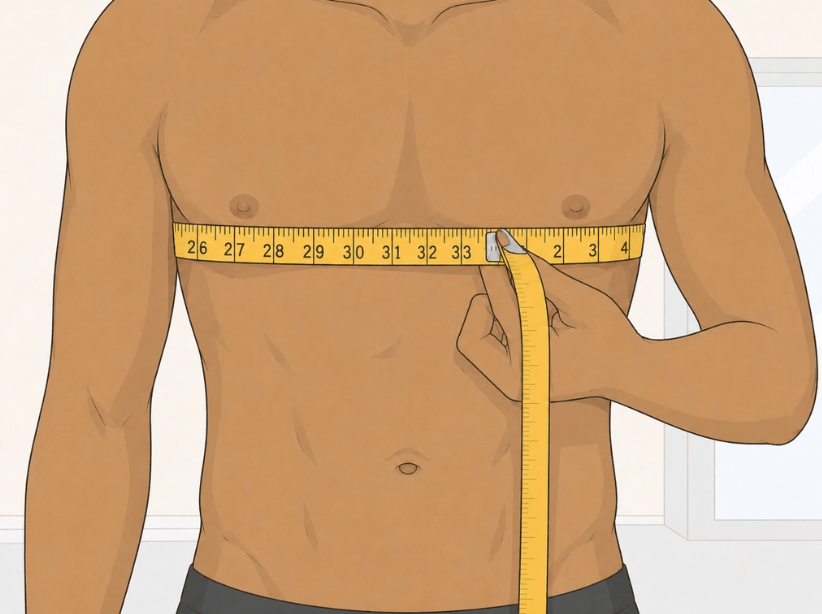
Chest measurement reflects upper torso size and helps assess muscle and fat distribution in the upper body.
How to measure:
- Wrap the tape around the fullest part of the chest
- Typically, across the nipple line
- Arms should be relaxed at your sides
- Stand naturally without expanding or holding breath
Key tips:
- Do not puff out your chest
- Keep the tape level all the way around
5. Waist Circumference
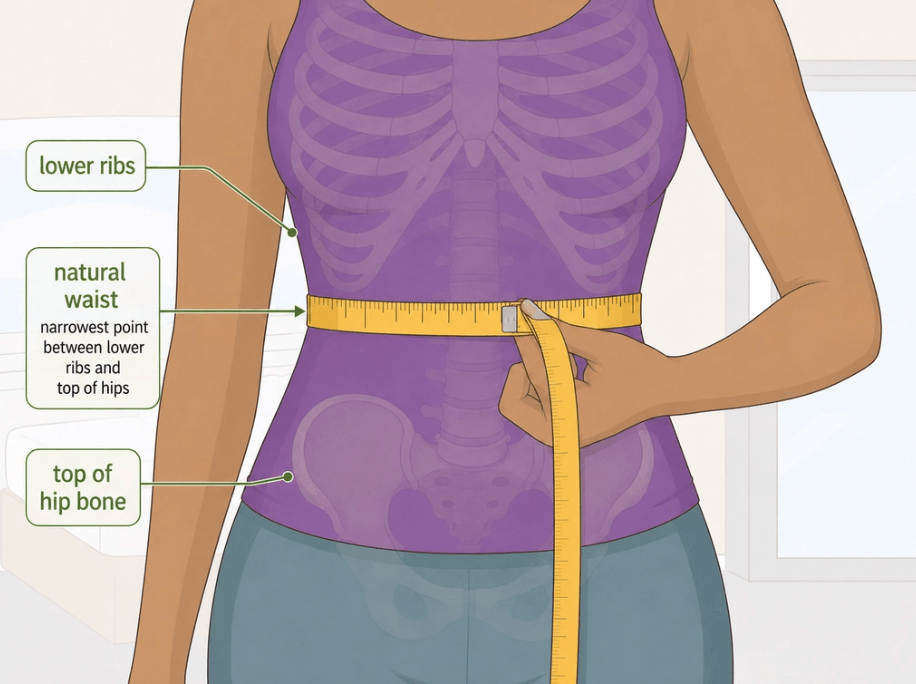
Waist circumference is one of the strongest indicators of central fat distribution and metabolic risk.
How to measure:
- Locate the narrowest part of your torso (or midway between ribs and hips if unclear)
- Wrap the tape around your waist horizontally
- Keep it snug but not tight
Key tips:
- Do not suck in your stomach
- Stand relaxed and breathe normally
- Ensure the tape is level all the way around
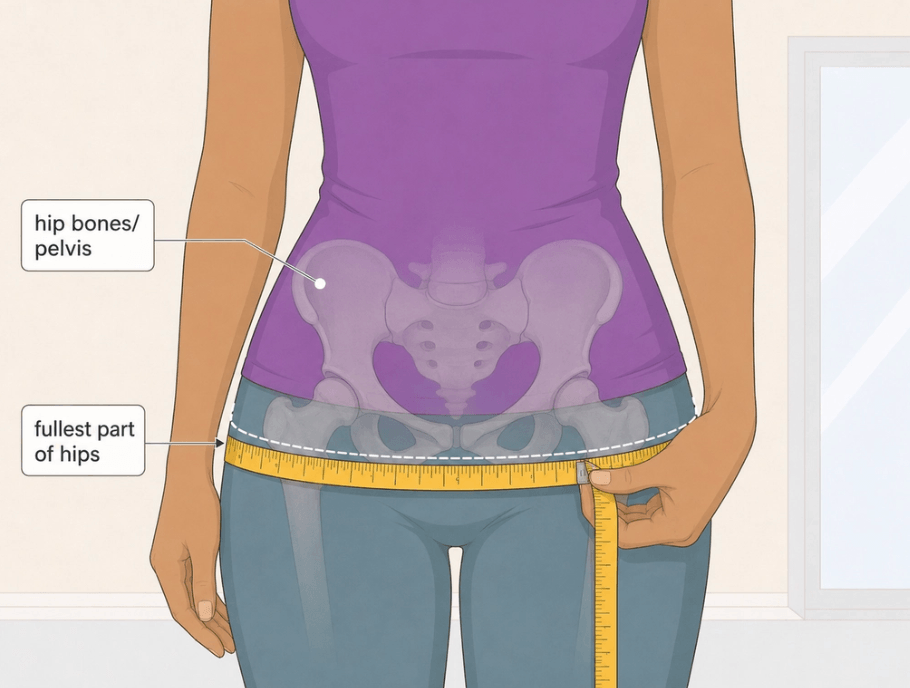
6. Hip Circumference
Hip measurement reflects lower-body fat and muscle distribution and is important for body shape and ratio analysis.
How to measure:
- Stand with feet together
- Wrap the tape around the widest part of your hips and buttocks
- Ensure the tape is level and straight
Key tips:
- Do not tilt your hips forward or backward
- Check in a mirror if possible to ensure even placement
Important General Guidelines
To ensure the highest quality data:
- Take all measurements standing in a relaxed posture
- Use the same tape for all measurements
- Measure directly against the body (not over thick clothing)
- Keep the tape level and parallel to the floor
- Avoid pulling the tape too tight or leaving it too loose
- If unsure, repeat the measurement and record the average
Data Consistency Matters
These measurements are used to track changes over time and across individuals. Small differences in technique can significantly affect interpretation, so consistency is more important than precision.
We recommend that participants:
- Measure themselves at the same time of day when possible
- Use the same method each time
- Follow the same sequence of measurements
Summary
Our protocol combines six key body measurements (neck, chest, waist, hip, height, and weight) to create a reliable, standardized dataset when 3D scanning is not available. Together, these measurements provide a strong foundation for analyzing body composition patterns and tracking changes over time.
References:
https://elht.nhs.uk/services/dietetics/body-measuring-techniques
https://www.measurement-toolkit.org/anthropometry/objective-methods/simple-measures-circumference
https://renpho.com/blogs/wellness-fitness-blog/heres-all-you-need-to-know-about-body-tape-measurements?srsltid=AfmBOopMMp2zu8yBn26uhVlPGlQHLkdhnw6ZI829c2cAwhTT6_agDqpw